FEATURED
For years, there has been a lack of institutional and movement knowledge about the needs of disabled and Deaf trans communities, and no desire to address this gap. Too often, studies about our community’s needs are led by able-bodied, white, cis, middle- and upper-class straight male citizens. The result: the flattening of disabled and Deaf trans experience, autonomy, and resistance.
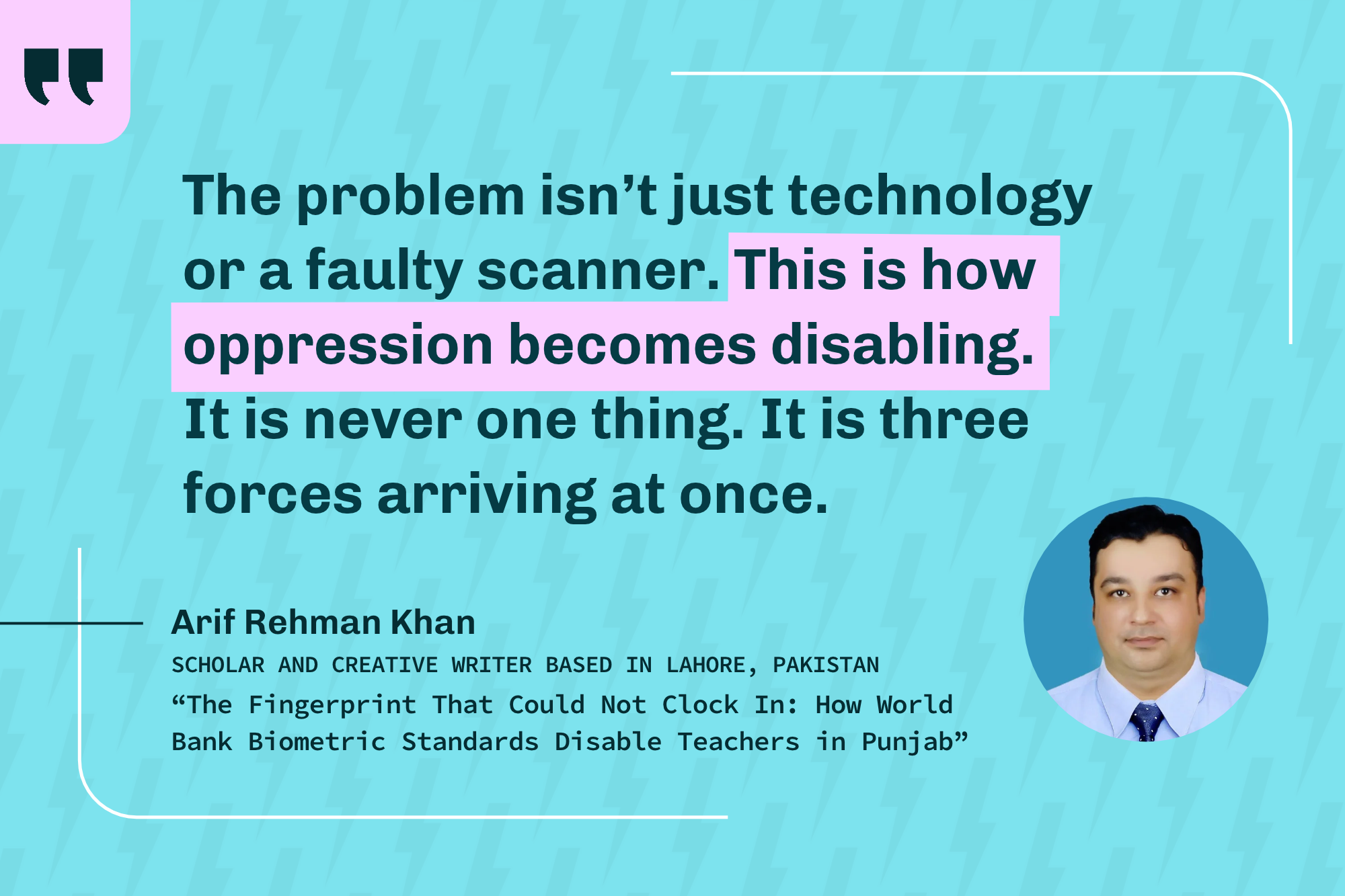
The international standard for fingerprint image quality is simple and clinical on paper. It assumes a whole, centered, high-contrast fingertip. This kind of standardized, idealized fingerprint leaves little room for the diversity of real hands. It was not written for a farmer’s son whose hands have been worn down by years of manual labor, or a person with a limb difference that does not fit the expected template.
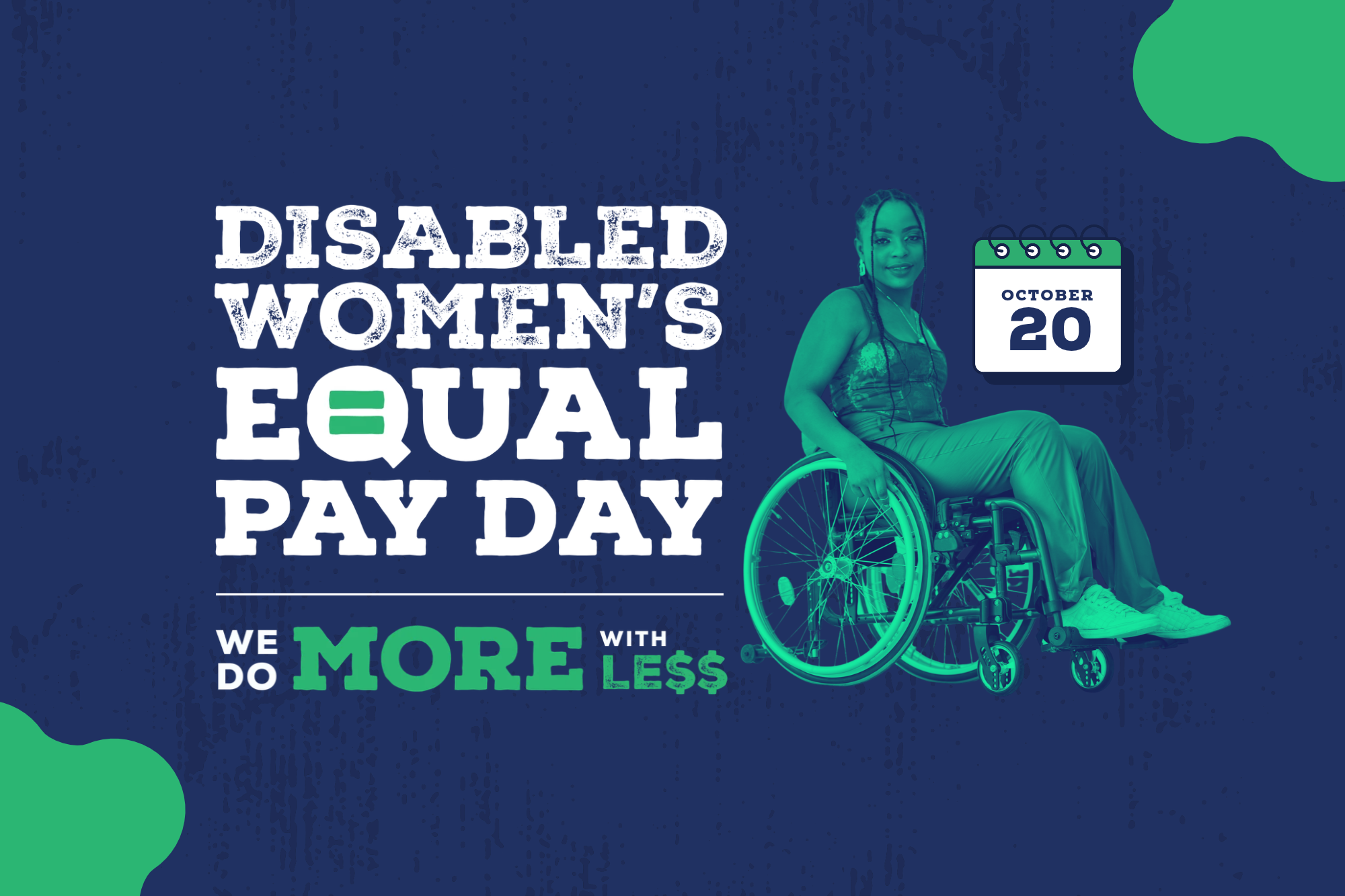
Disabled women — including part-time and seasonal workers — are typically paid just 56 cents for every dollar paid to nondisabled men. And disabled women who work full time, year-round fare only slightly better, as they are paid just 68 cents on the dollar paid to nondisabled men.
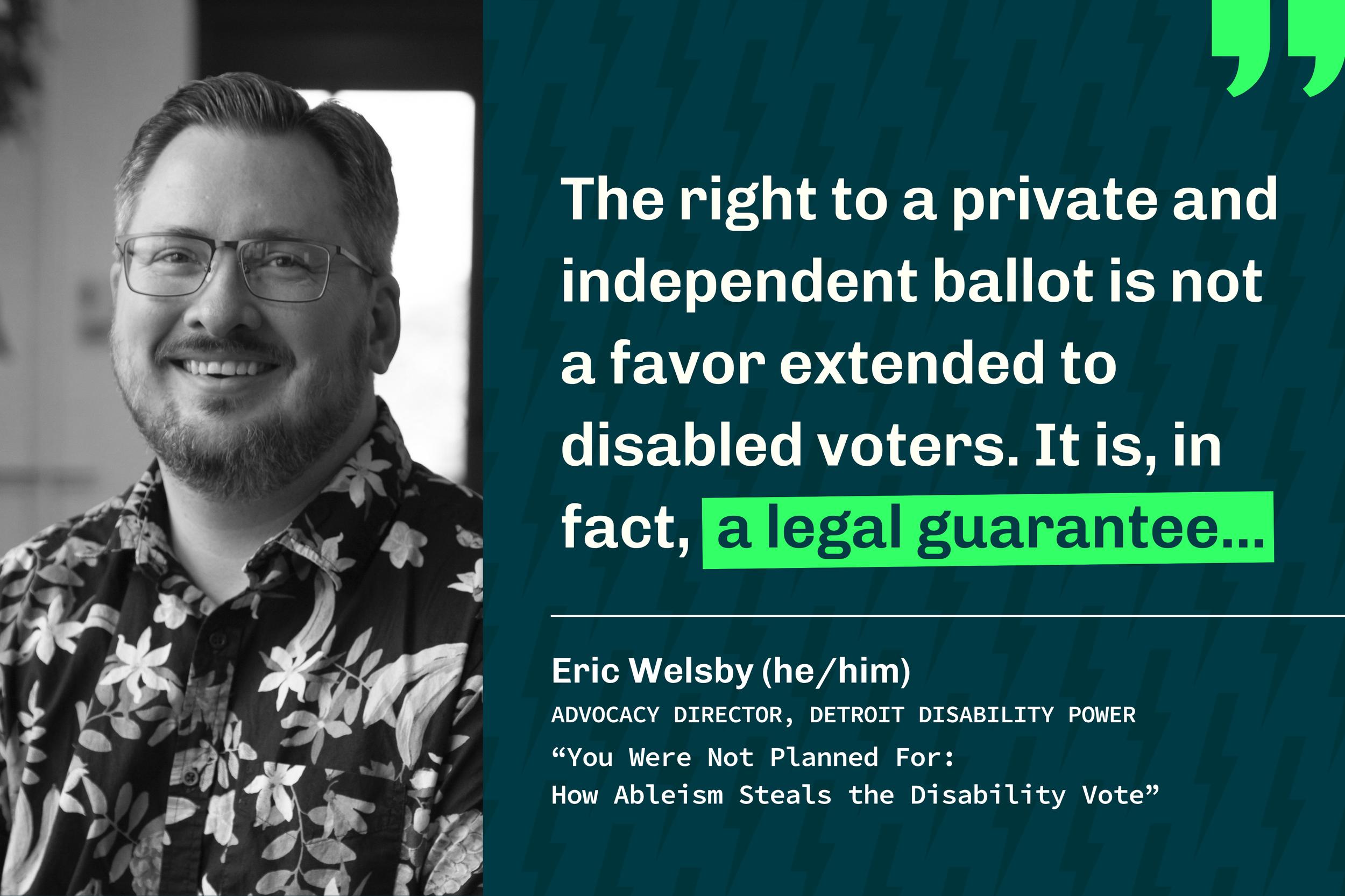
Without proper resources, support, and understanding, polling sites are set up to fail disabled voters. This is ableism operating at the infrastructure level. It doesn’t require anyone to consciously dislike disabled people. It just requires that we continue to be treated as an afterthought; a “special” accommodation, a separate entrance around the back, a booth that gets set up “if someone needs it.”
We invite disabled writers and creators to submit essays and illustrated work that reflect disability culture, community, and resistance. Disability Culture Currents (DCC) centers voices that challenge dominant narratives and imagine something freer.
Share your perspective
We invite disabled writers and creators to submit essays and illustrated work that reflect disability culture, community, and resistance. Disability Culture Currents (DCC) centers voices that challenge dominant narratives and imagine something freer.
MORE CONTRIBUTIONS
For years, there has been a lack of institutional and movement knowledge about the needs of disabled and Deaf trans communities, and no desire to address this gap. Too often, studies about our community’s needs are led by able-bodied, white, cis, middle- and upper-class straight male citizens. The result: the flattening of disabled and Deaf trans experience, autonomy, and resistance.
The international standard for fingerprint image quality is simple and clinical on paper. It assumes a whole, centered, high-contrast fingertip. This kind of standardized, idealized fingerprint leaves little room for the diversity of real hands. It was not written for a farmer’s son whose hands have been worn down by years of manual labor, or a person with a limb difference that does not fit the expected template.
Disabled women — including part-time and seasonal workers — are typically paid just 56 cents for every dollar paid to nondisabled men. And disabled women who work full time, year-round fare only slightly better, as they are paid just 68 cents on the dollar paid to nondisabled men.
Without proper resources, support, and understanding, polling sites are set up to fail disabled voters. This is ableism operating at the infrastructure level. It doesn’t require anyone to consciously dislike disabled people. It just requires that we continue to be treated as an afterthought; a “special” accommodation, a separate entrance around the back, a booth that gets set up “if someone needs it.”
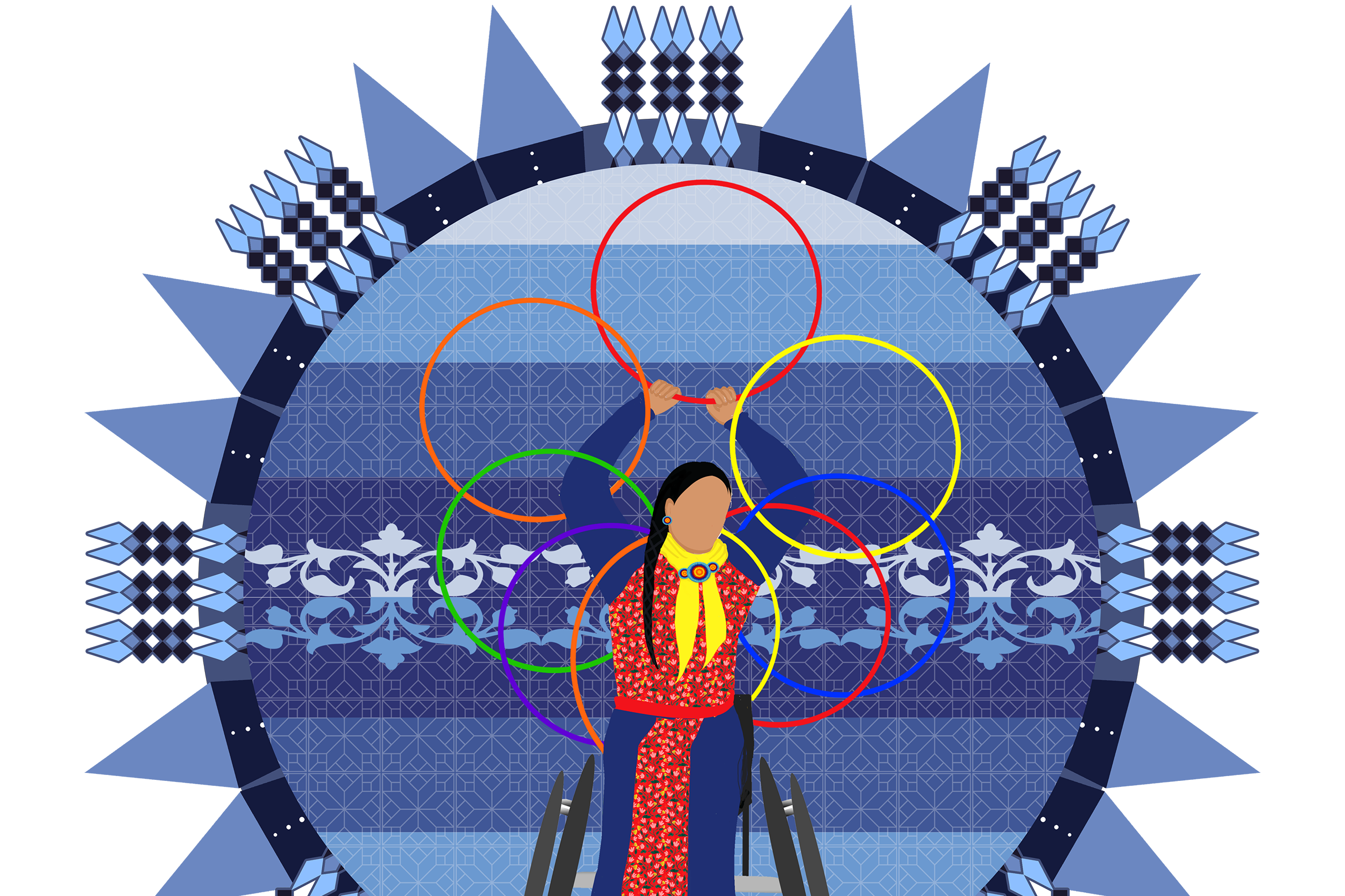
Indigenous Peoples’ Day recognizes the survival, sovereignty, and continued presence of Native peoples while challenging the whitewashed histories that have too often rendered us invisible on the very lands we have stewarded and called home since time immemorial. It gives us a reason to ask a harder question. Whose voices shape those realities within both Indigenous communities and the disability justice movement?
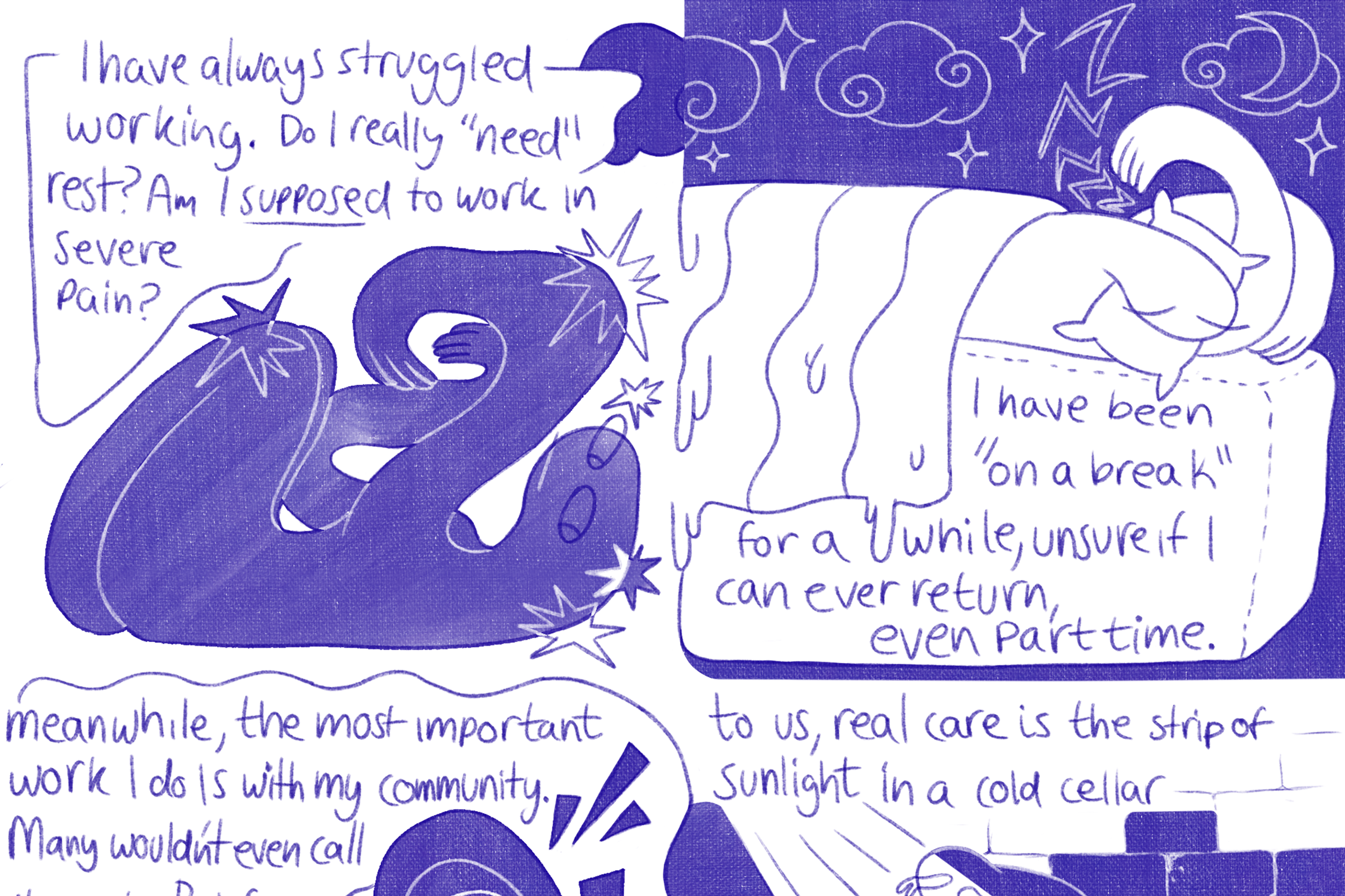
I have always struggled working. Do I really “need” rest? Am I supposed to work in severe pain?
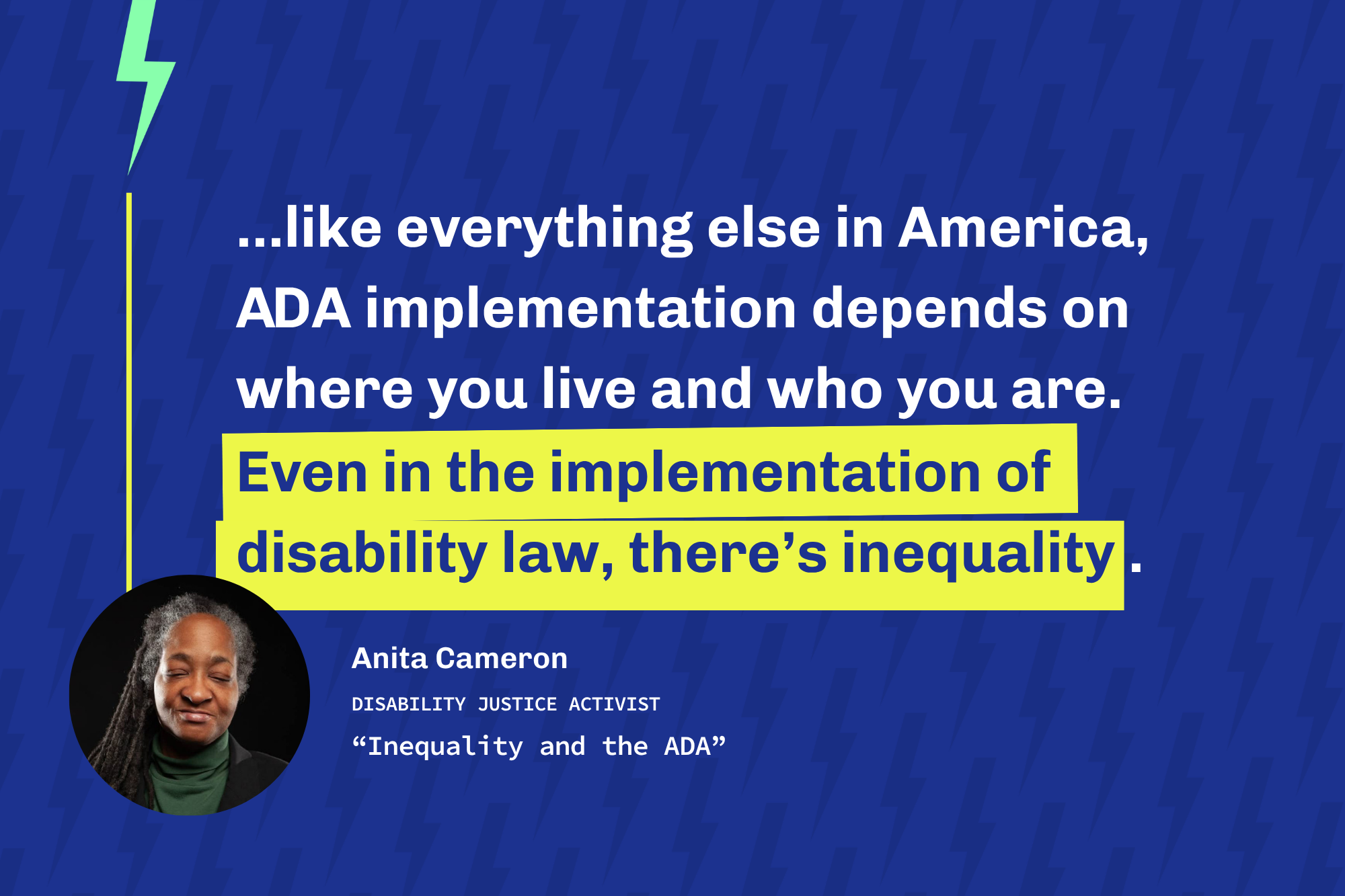
Disrespect, exclusion, and outright discrimination are still common for people with disabilities, too. Financial institutions have routinely denied us mortgages. And we are frequently mocked and asked to provide extra information to prove our need for support when accessing basic services. Coupling all of the data with years of lived experience brought the picture into focus: We need to build something better.
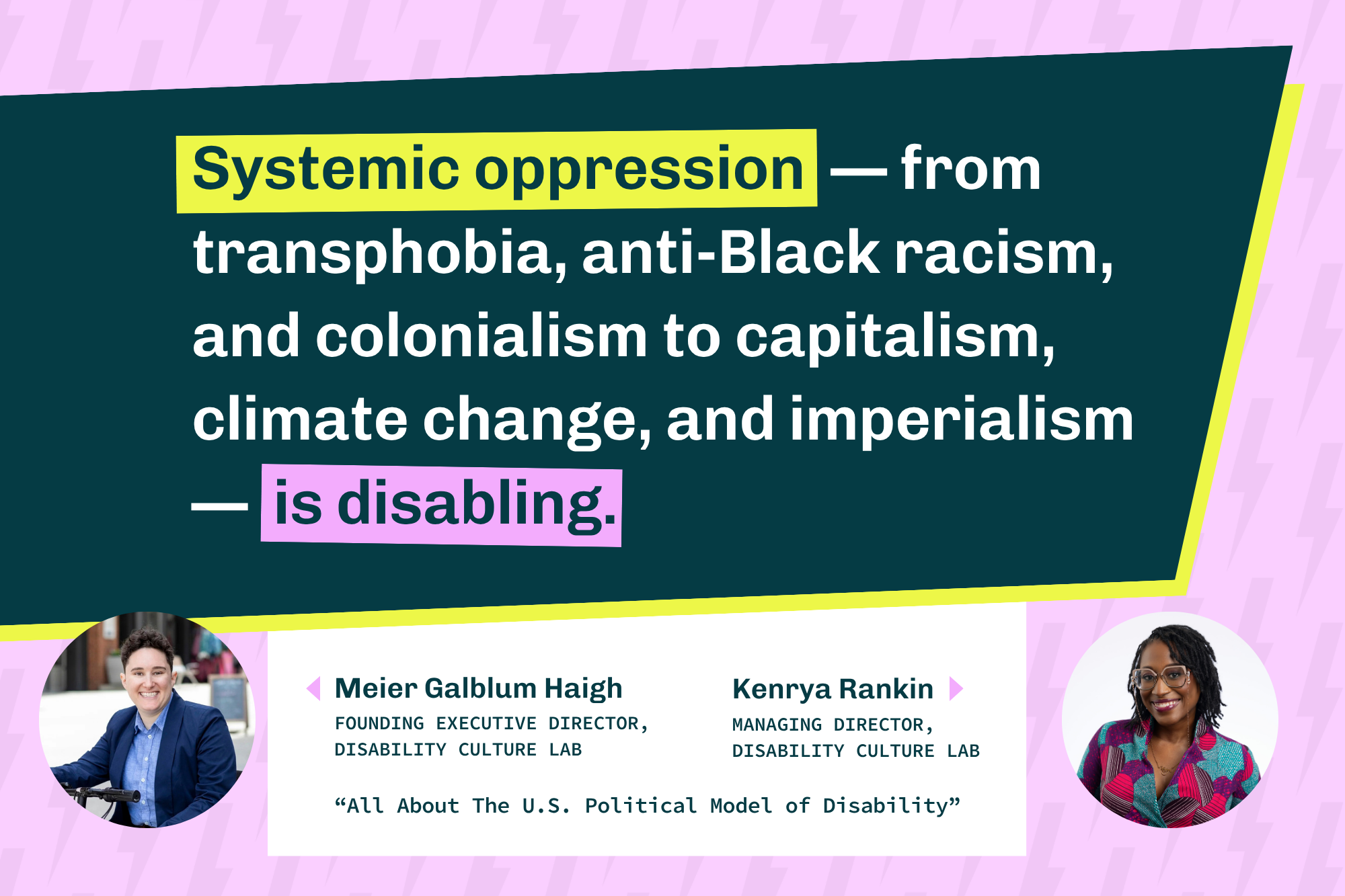
Disability is not equally represented across every community. The U.S. Political Model of Disability is a new model of disability developed during Disability Culture Lab’s Disability Community and Movement North Star Visioning that puts words to a disability pathway that many people who have already been pushed to the margins follow.
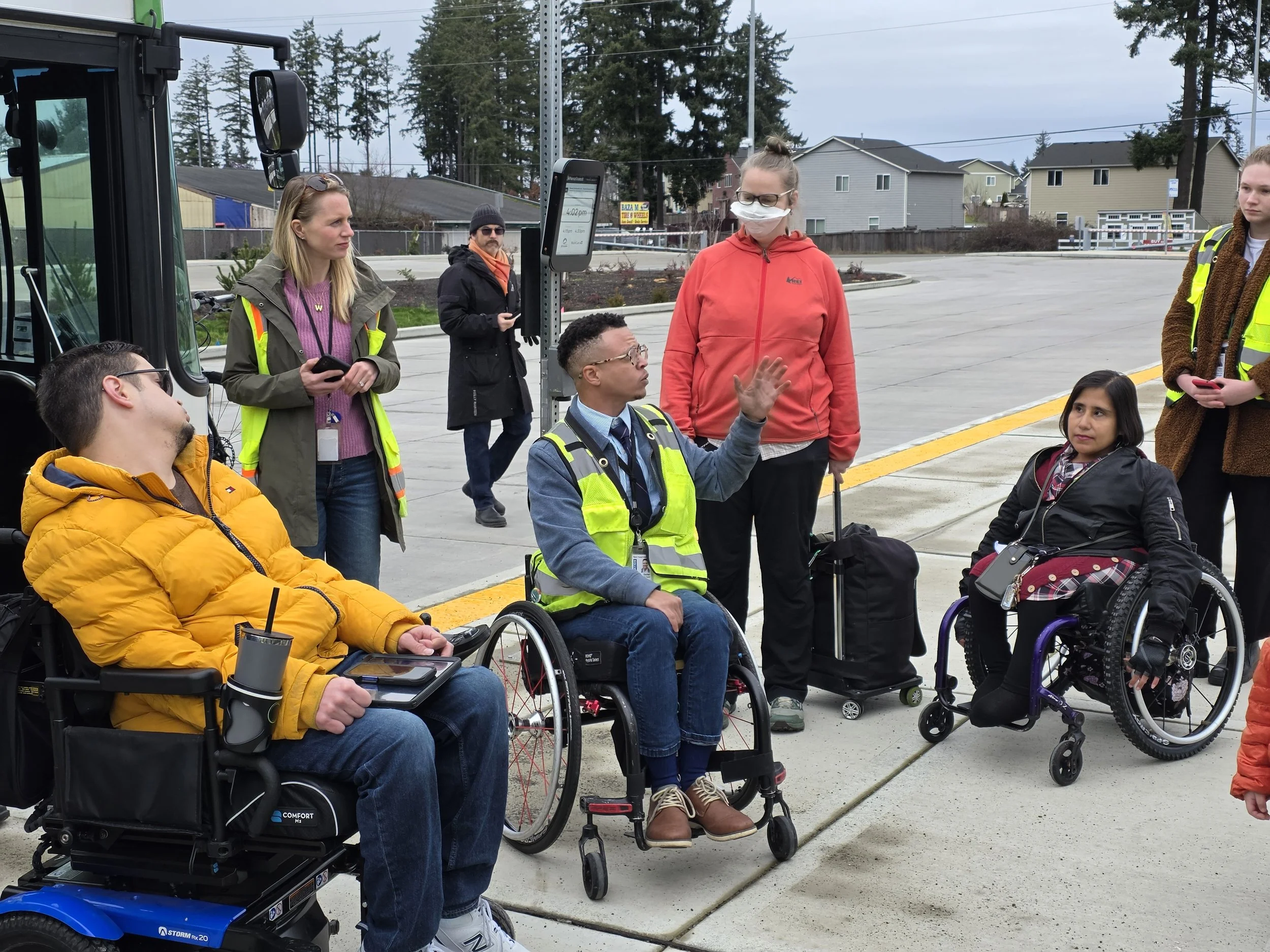
People with disabilities are one and a half times less likely to drive than nondisabled people, and two to three times more likely to live in a zero-vehicle household. We use transit and paratransit for a higher share of trips than people without disabilities; in fact, 73% of people with disabilities don’t drive for most of our trips.
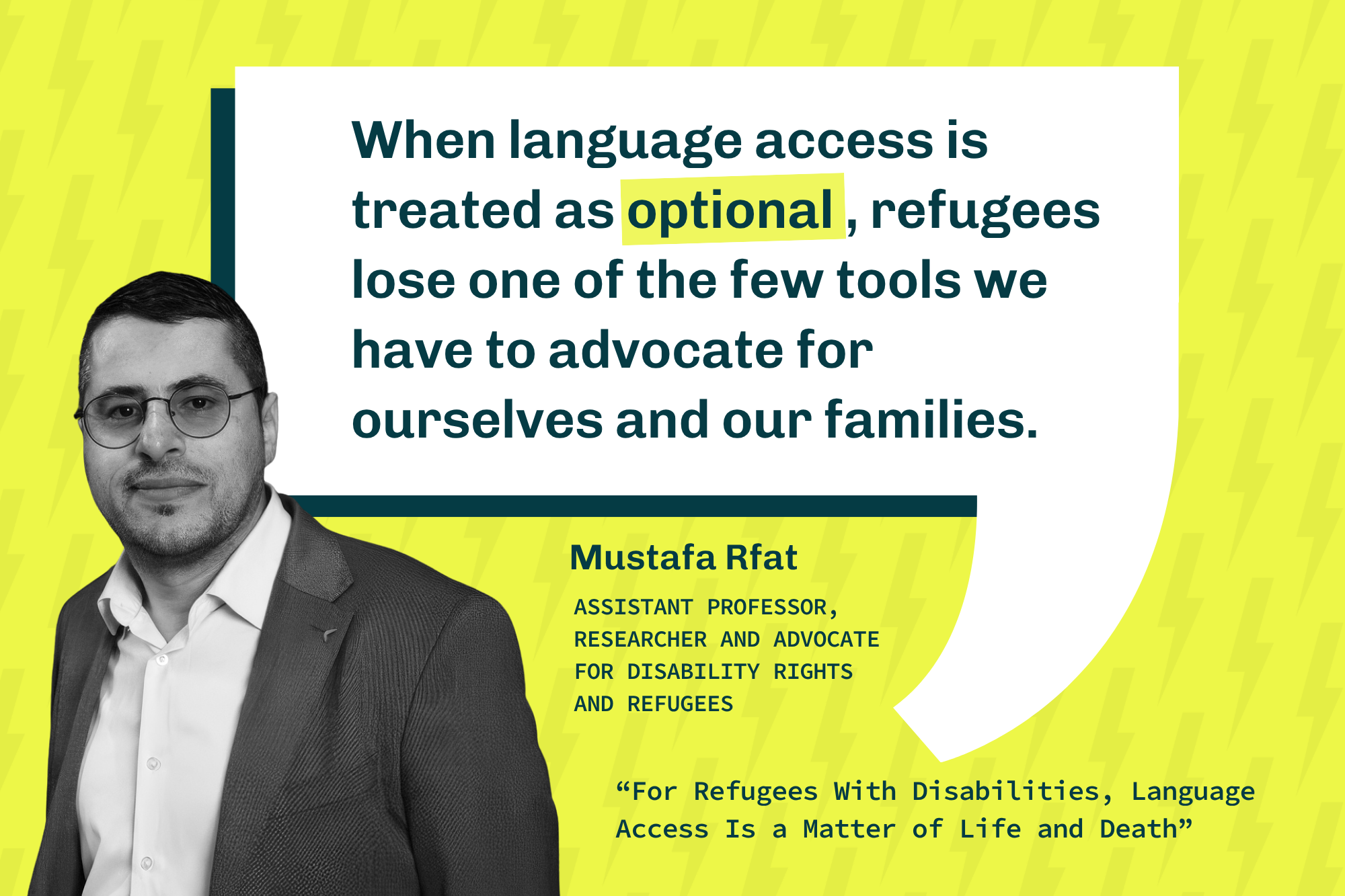
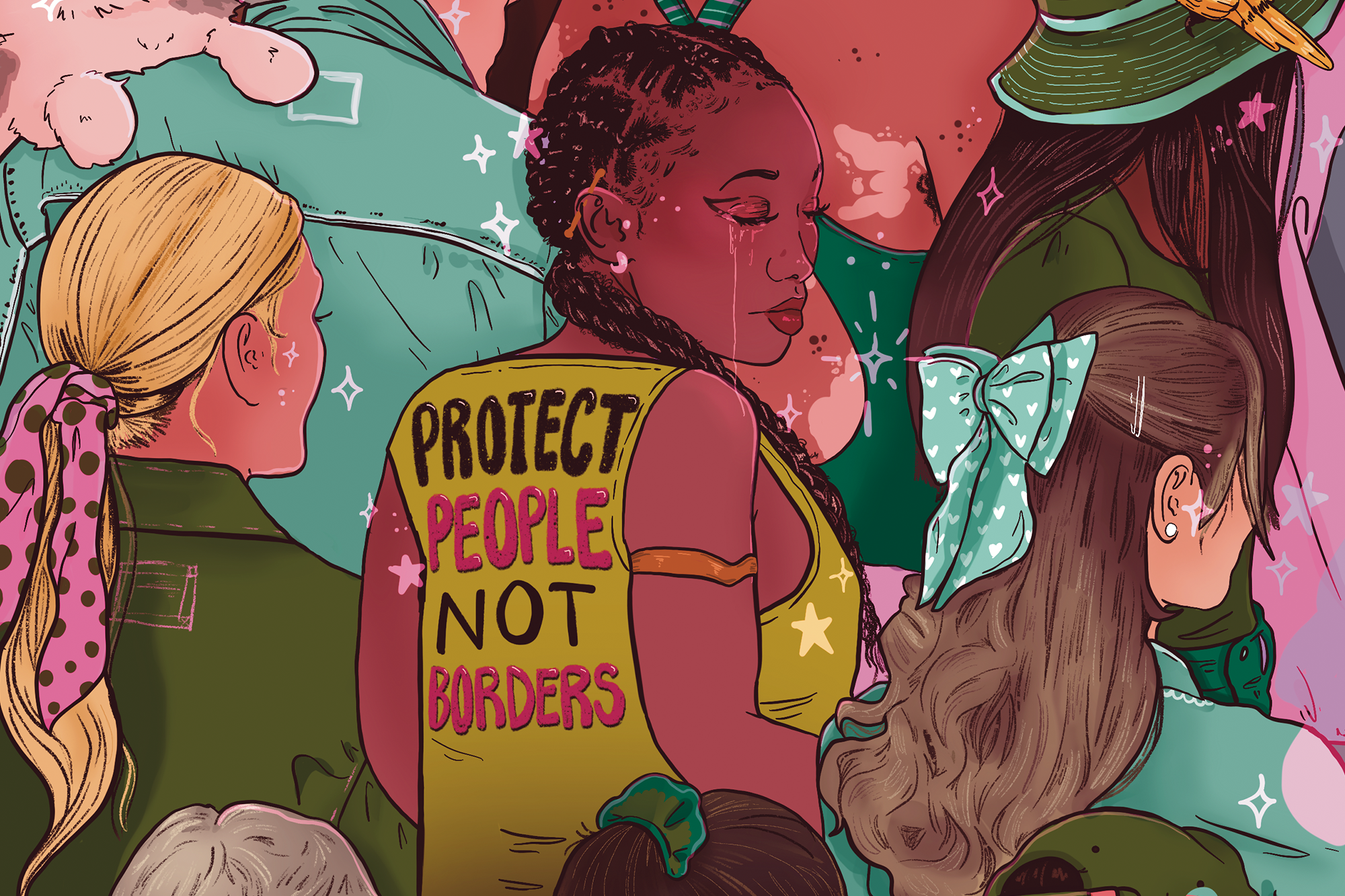
For refugees and immigrants with disabilities in the United States, some of the most dangerous obstacles in our lives are invisible.
Racism plays a huge part in disability access and who gets it. This is especially noticeable in the disparities between the accessibility of neighborhoods predominately populated by white people and neighborhoods that are predominately populated by people of color. I encounter it every day where I live.
Every morning is full of decisions. Even when I lay out my clothes the night before, thinking about how I want to dress in terms of gender — whether I will choose what feels safest and most legible or what feels most truthful — I still have to make choices in the morning.
As a young girl growing up without disabilities, I was taught the importance of relationships and, inevitably, I internalized pervasive societal messages about love and romance. Heterosexual love was marketed to little girls in countless ways, but especially through storytelling.
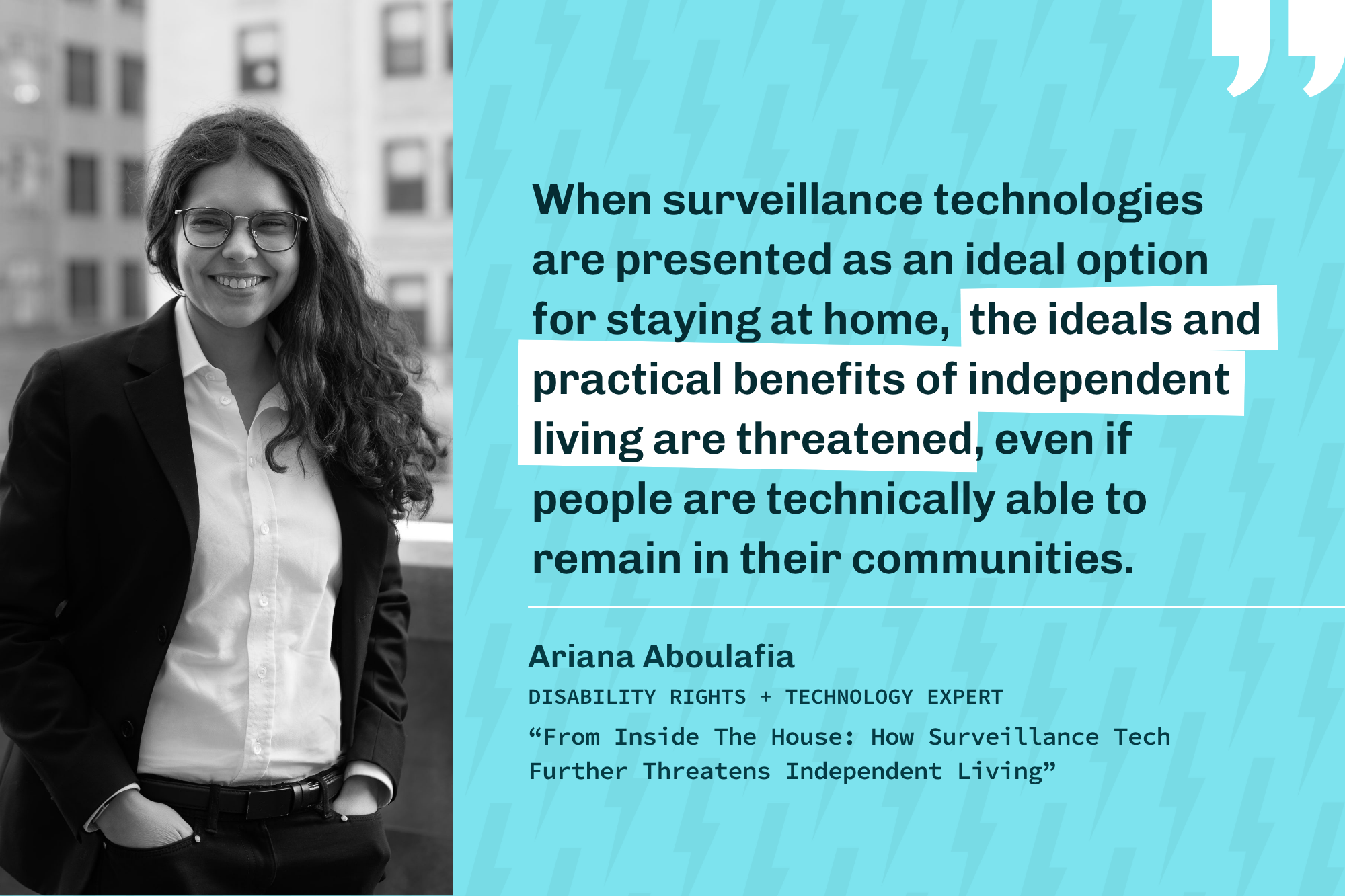
Independent living is facing a threat from a less obvious source: tech tools often marketed explicitly as facilitating the ability of aging and disabled people to stay at home. The use and proliferation of these sorts of tools is being encouraged by the same administration that is openly hostile to the idea of independent living.
I never fit in at school. I was frequently singled out and seldom welcomed, whether by my peers or by the adults in charge. At first I didn’t understand the mistreatment, because I did everything right: I went to school every day with a smile on my face, and I talked to my classmates.
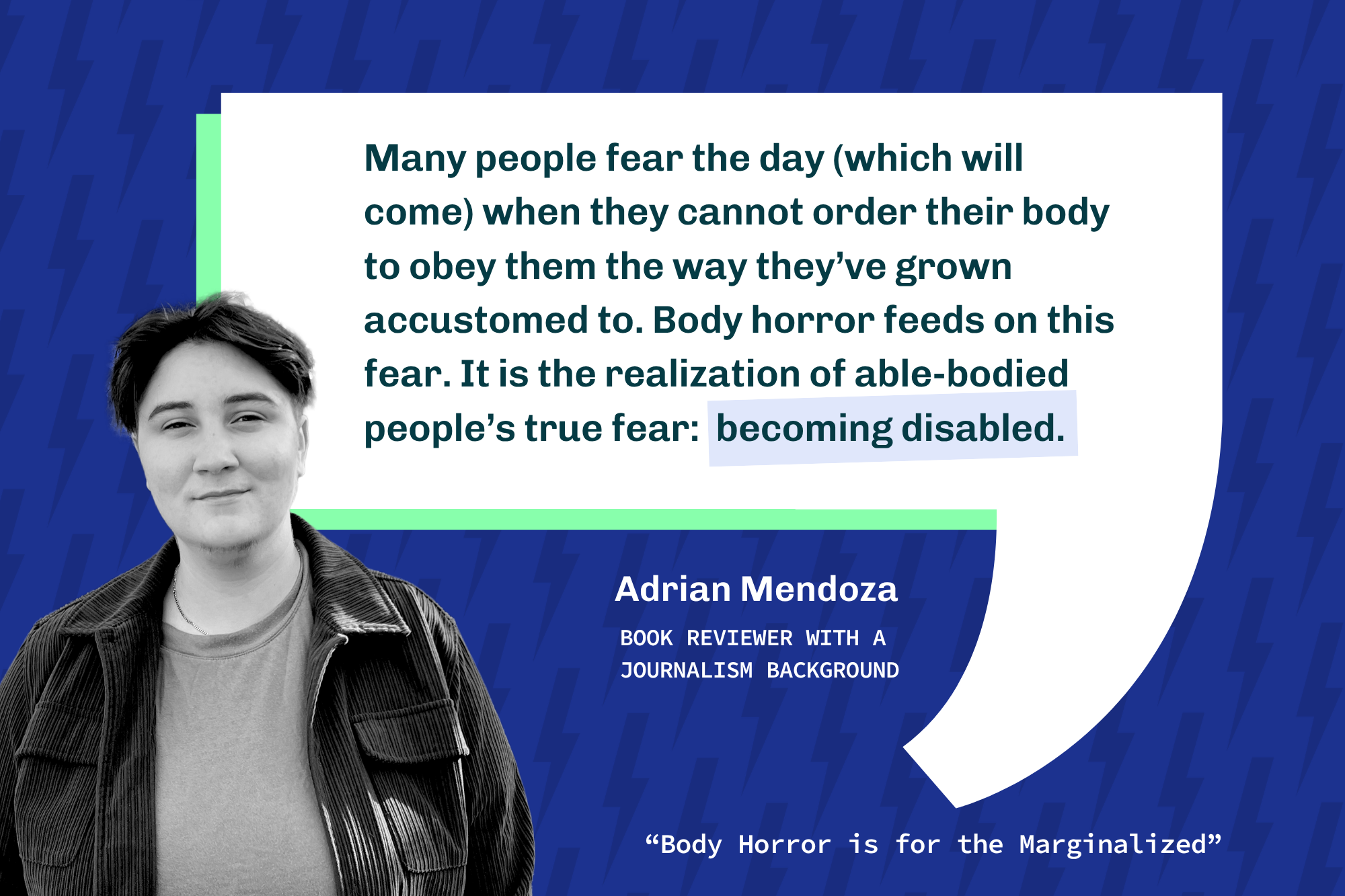
A nice silver lining to feeling alienated and betrayed by my body is that I fucking love body horror. There is something so satisfying about reading about someone whose body turns on them in bizarre and grotesque ways.
Long before I had language for autism, I knew what it felt like to navigate spaces where I didn't quite fit. I often felt like I was missing a set of unwritten rules everyone else seemed to understand.
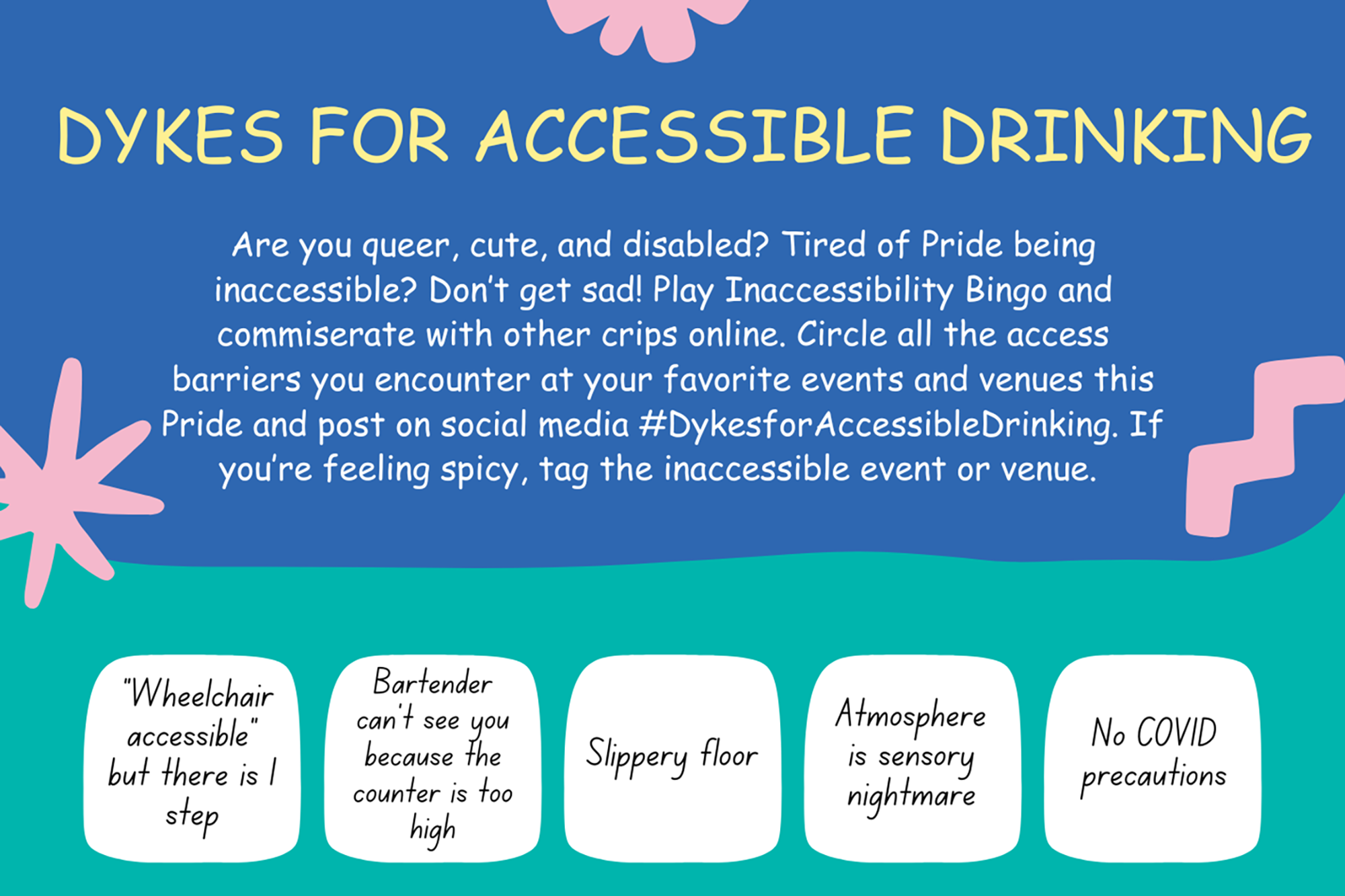
Are you queer, cute, and disabled? Tired of Pride being inaccessible? Don't get sad! Play Inaccessibility Bingo and commiserate with other crips online. Circle all the access barriers you encounter at your favorite events and venues this Pride and post on social media #Dykesfor AccessibleDrinking.
I’m bipolar. My bipolar disorder is one of my greatest strengths as a kidney doctor. When I say I’m bipolar, I do not mean that I had bipolar disorder and it is now in my past. I have not overcome bipolar disorder; I live with it. I want to show you why I say being bipolar is one of my greatest strengths. But first, I want to get some things out of the way.
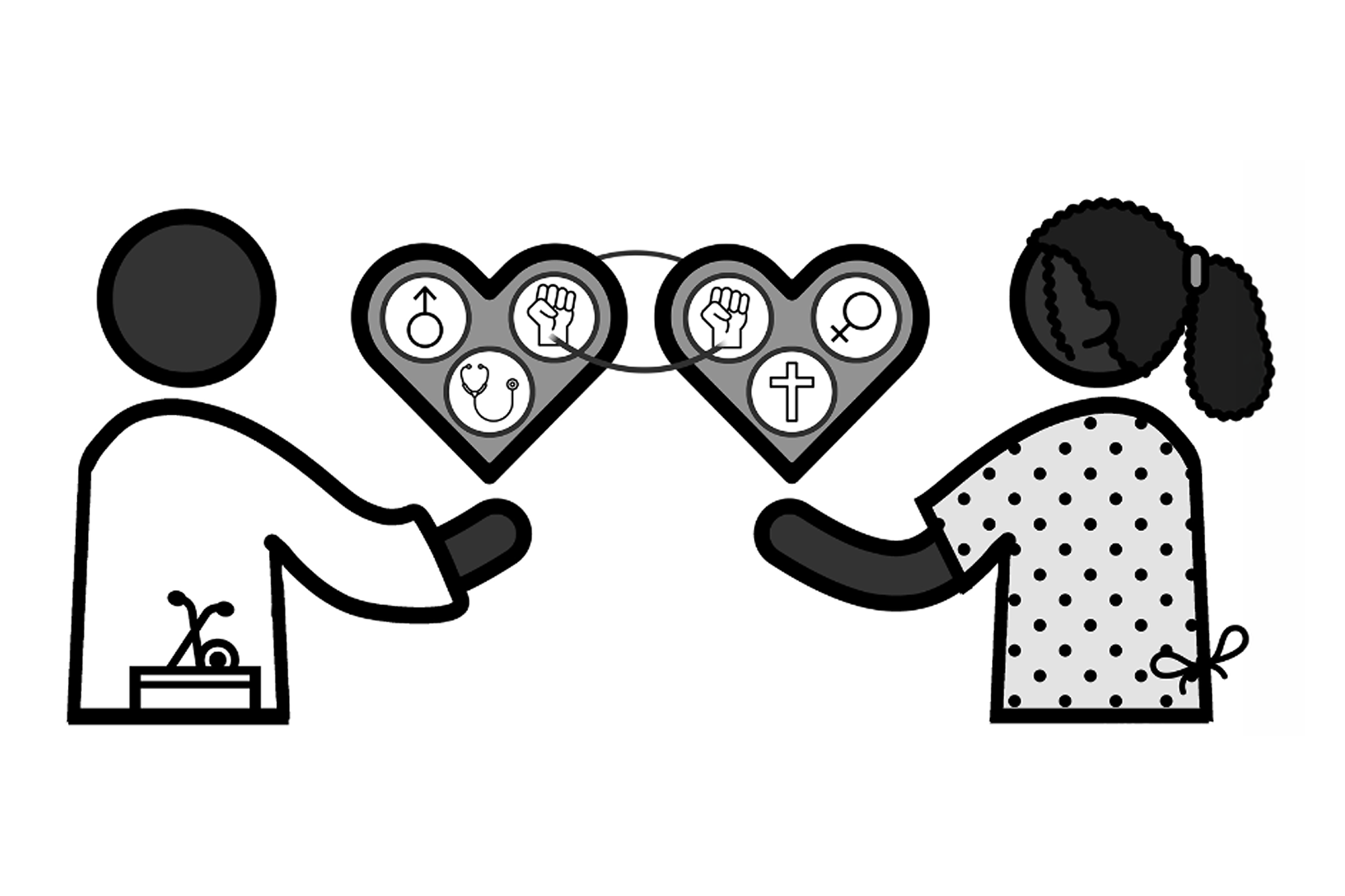
Over the course of a year, I’ve had the opportunity to interview a number of transgender and intersex individuals undergoing monthly consultations at this well-known — yet tragically underfunded — public hospital in Cairo’s al-Manial district.
There are some things you should know about me before you decide to continue with this short story. Not because I am worthy of space in your memory, but because I want there to be honesty between us.
As I look back on this past Long COVID Awareness Month, I realize that Long COVID has also opened up a journey of self-exploration, understanding, and joy through art, and prompted me to think about how we can best show up for one another.
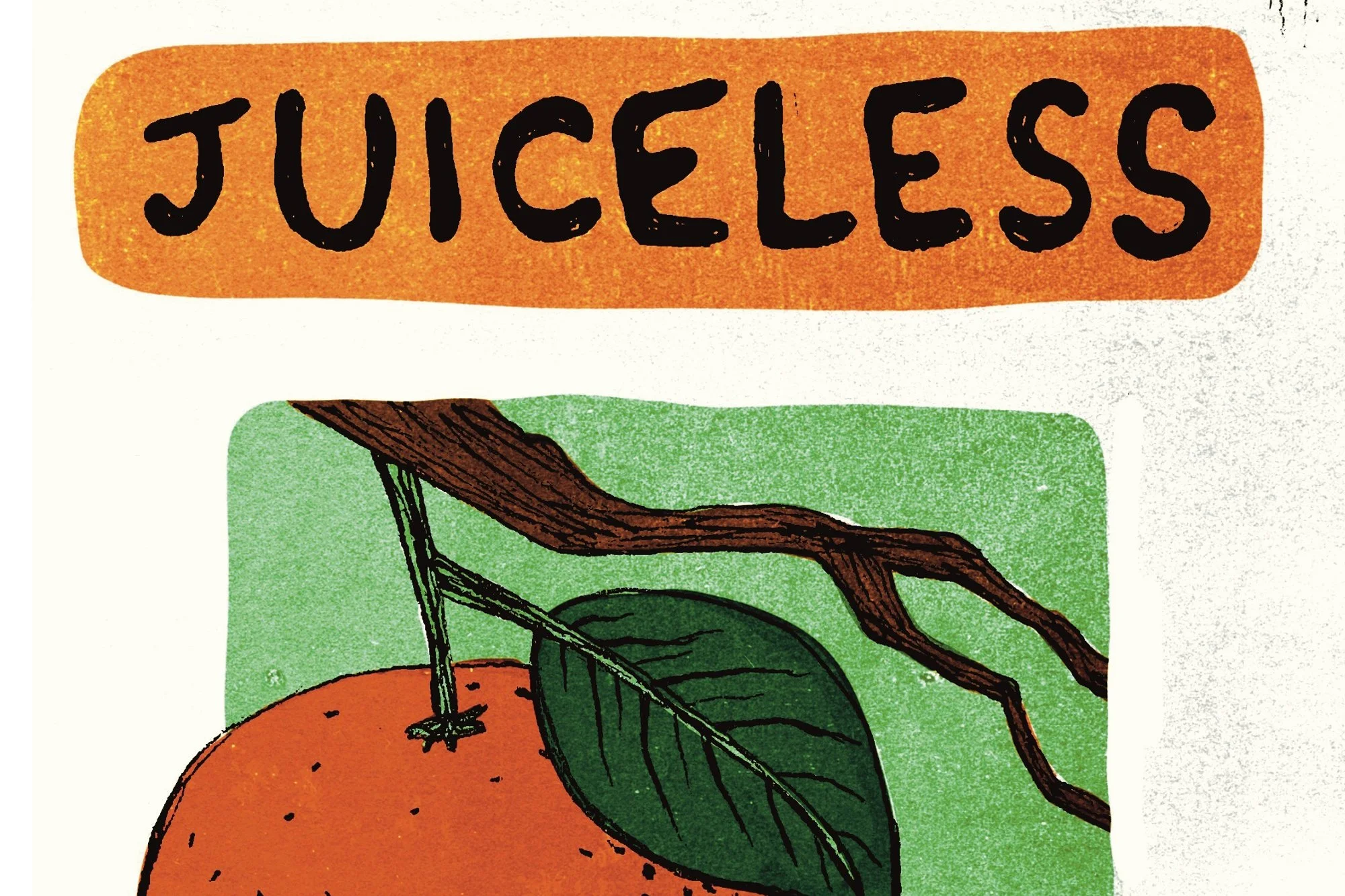
A fruit can only produce so much juice. The rind and seeds thrown away.
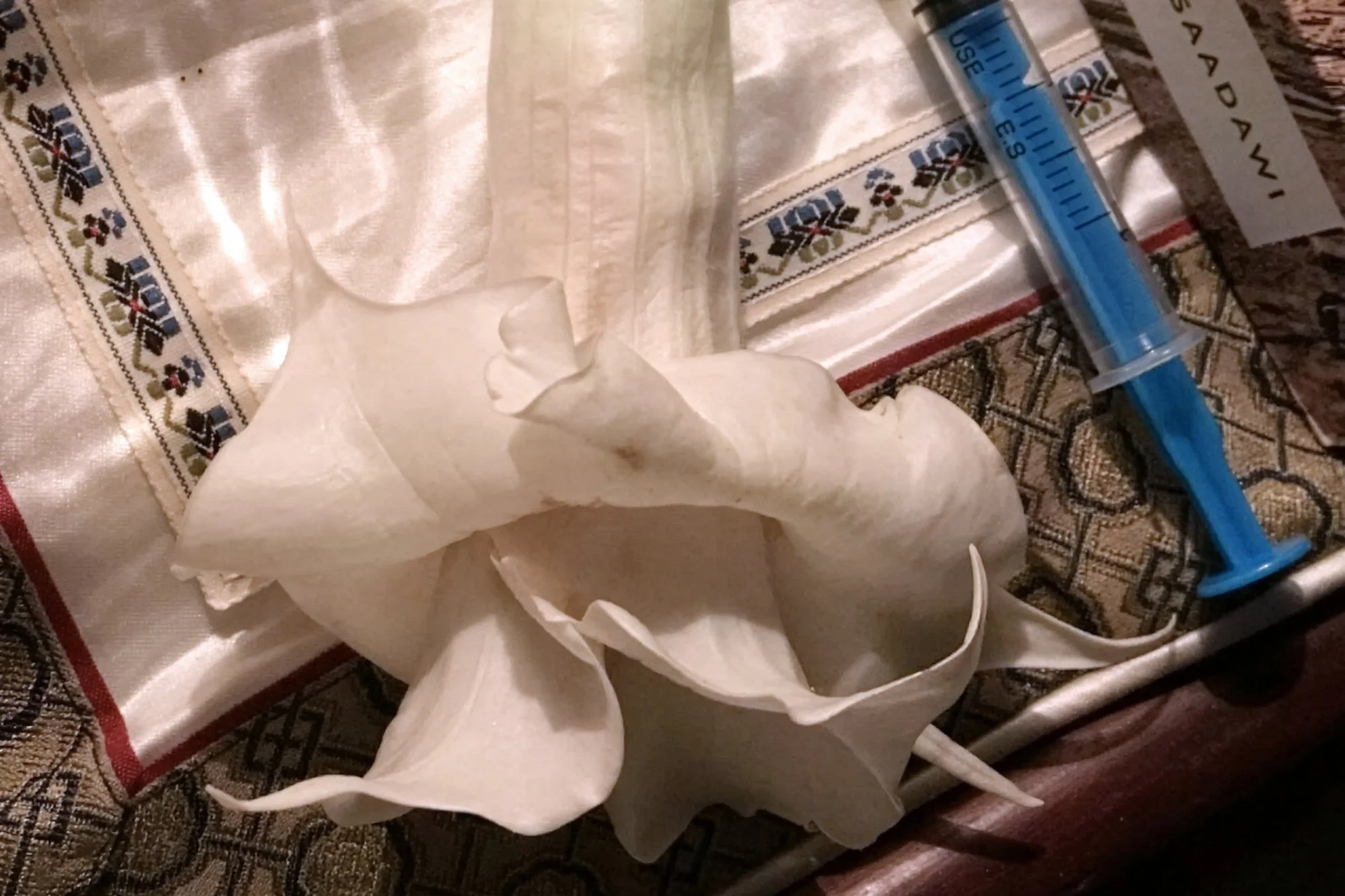
Petals are plucked simply because some think that they aren't meant to be there.
What wonders would emerge from the Earth if juiceless plants were allowed to flourish?
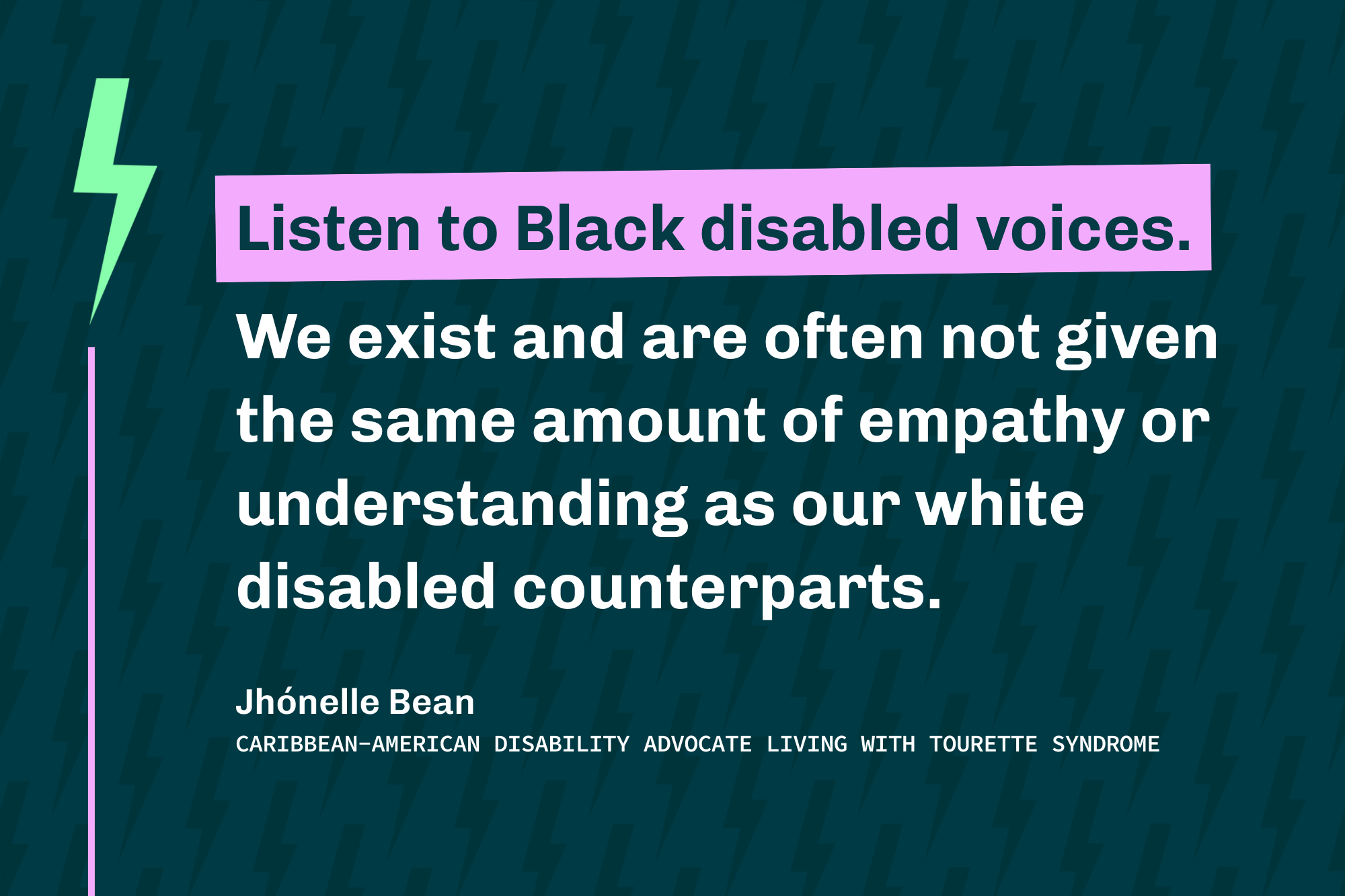
Last week, John Davidson ticced the N-word while actors Michael B. Jordan and Delroy Lindo were on stage at the EE BAFTA Film Awards. I'd like to take a moment to share my thoughts and experiences as a Black woman with Tourette Syndrome.
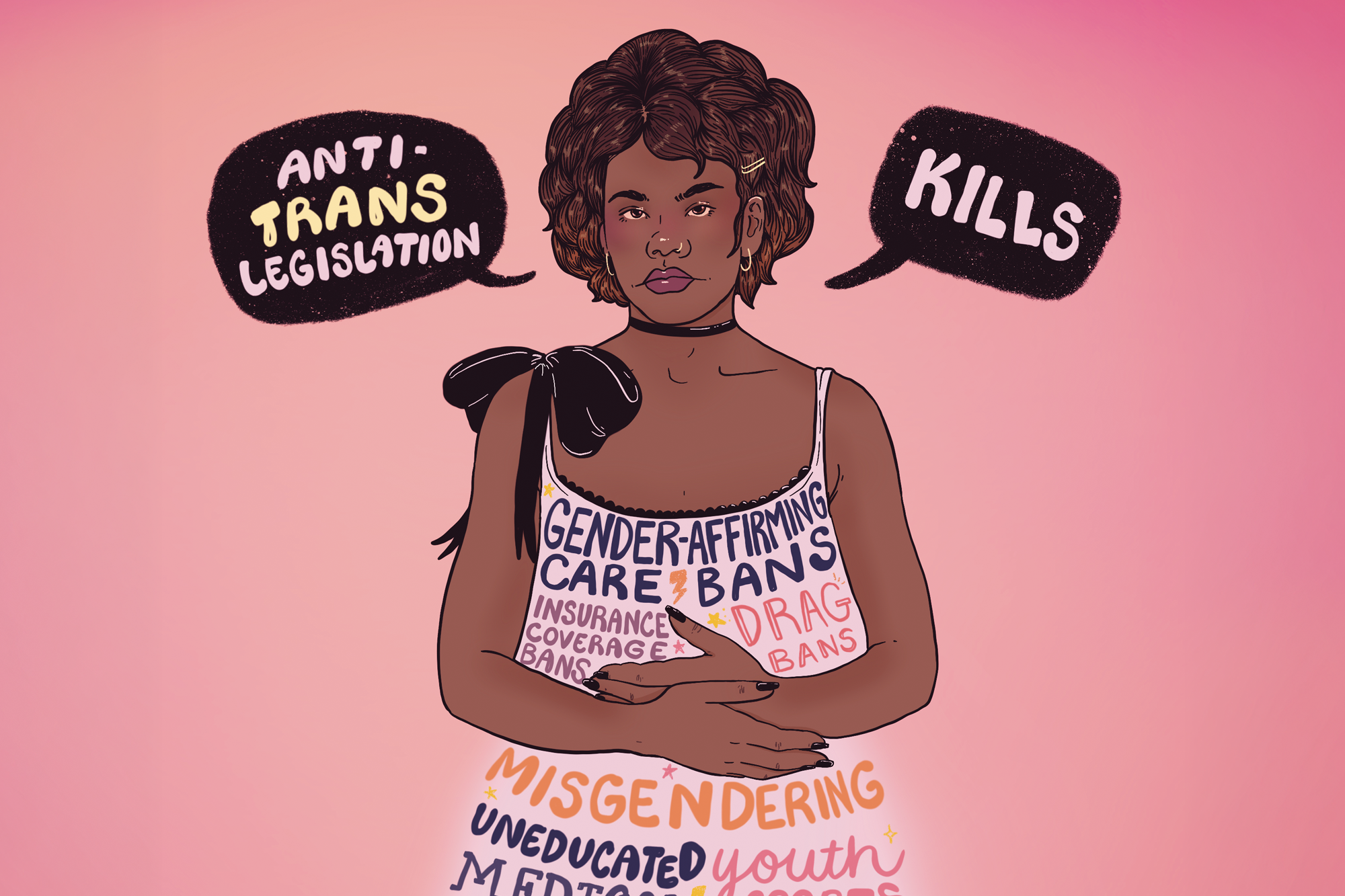
On February 26, 1,800 transgender, intersex, Two-Spirit, and nonbinary residents of the state of Kansas lost their drivers’ licenses with just hours of notice due to a new law passed by the Republican legislature. This is the latest effort to criminalize trans people in the United States.
My right leg had swollen to three times its size, the towel under me was damp with blood, and a cop was at my window talking about a ticket. My then-partner said to the state trooper: “She is having a miscarriage and just tore her ACL.” The trooper gave us a choice: he could call an ambulance to the local hospital or write a speeding ticket.
As Donald Trump unleashes the largest federal police force in history on many who have never before experienced it, too many in our disability community and beyond are unaware of the asymmetrical ways this violence of racial capitalism has shaped us, our families, and communities for years.