
Submission Guidelines for Disability Culture Currents

Disability Culture Currents (DCC) is a new online opinion and personal essay publication by Disability Culture Lab that explores the currents of disability culture and identity.
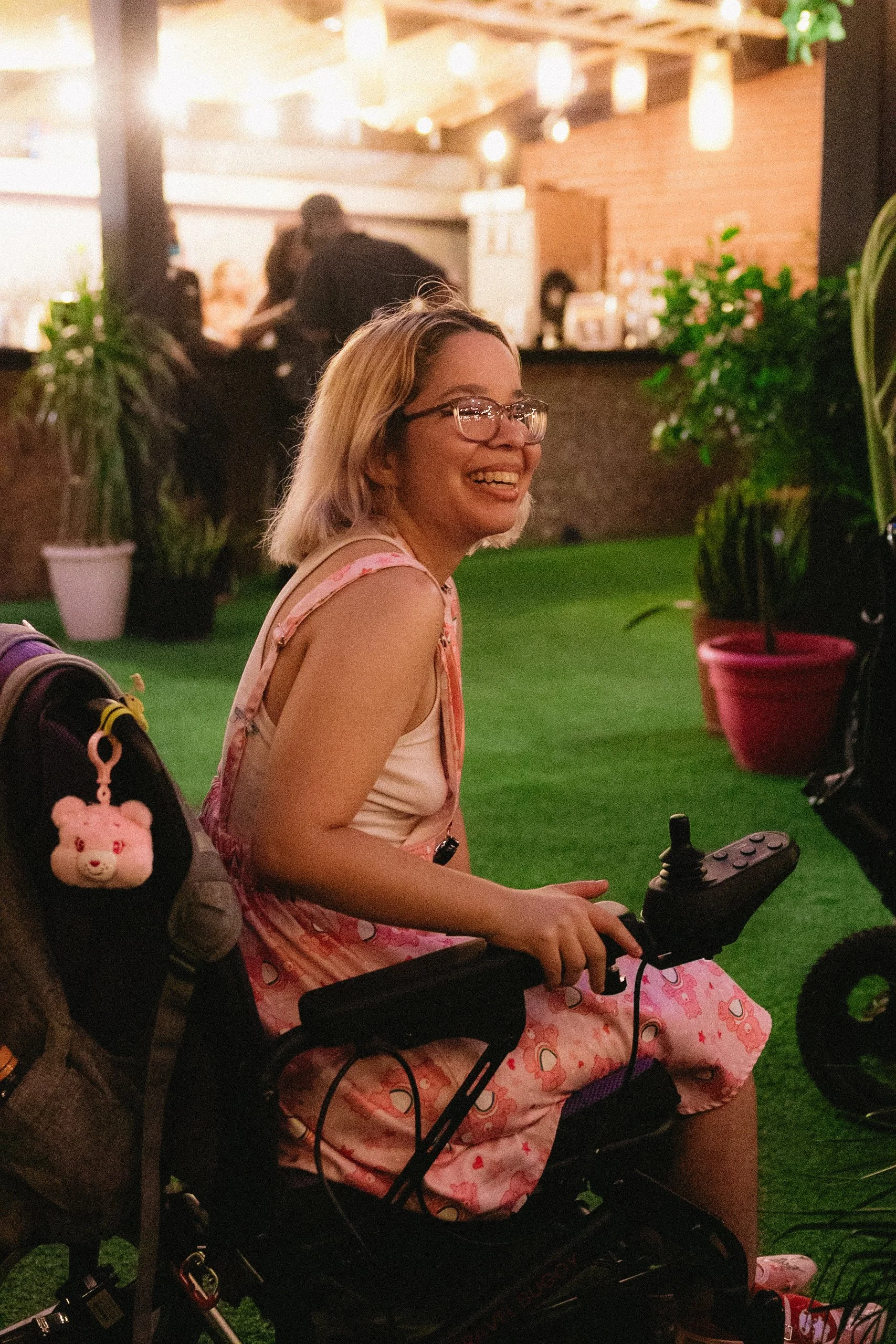
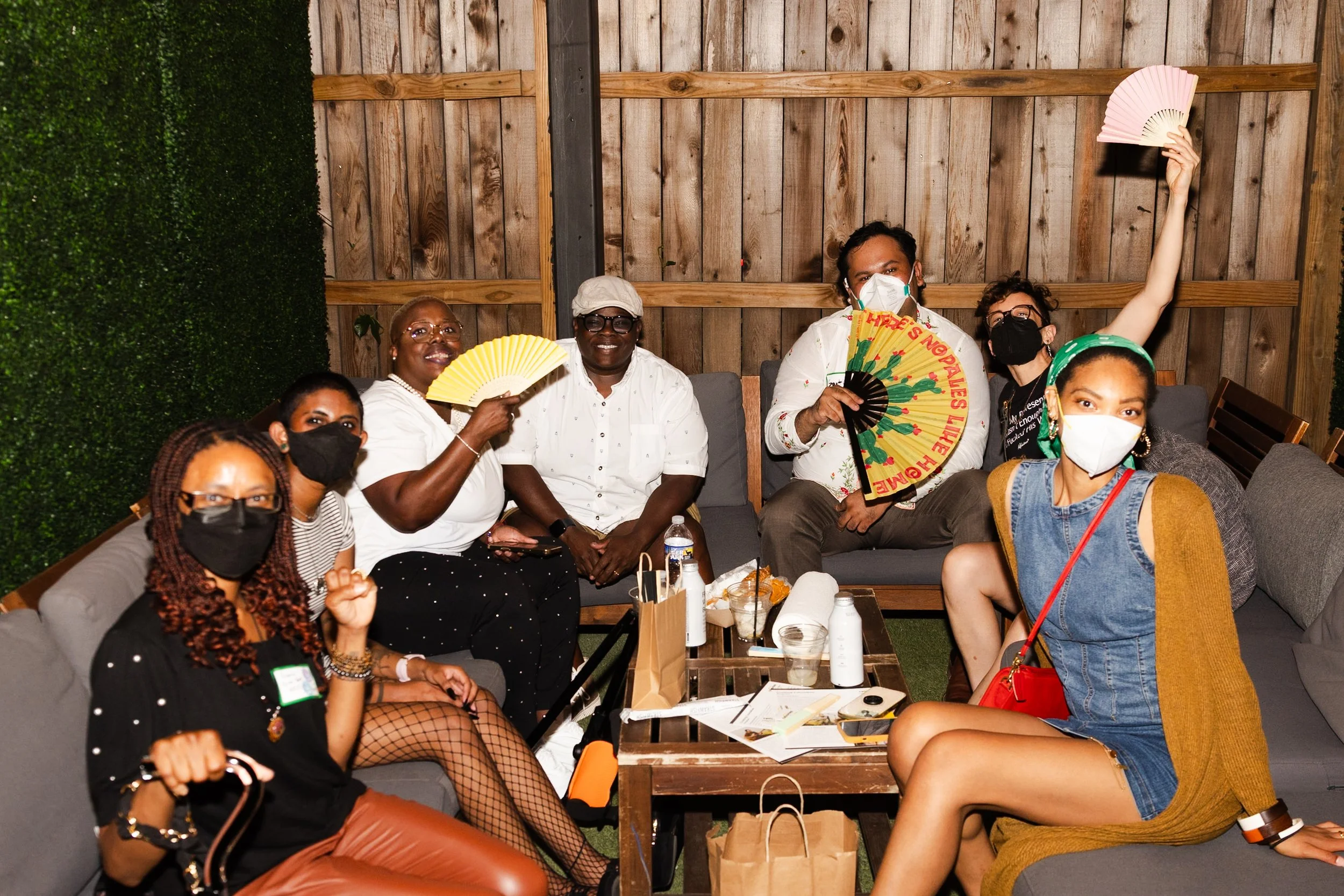
DCC is a platform for disabled authors and creators exploring the intersections of social movements and identity, the reality that all forms of oppression are disabling, and the fact that every issue is a disability issue.
DCC will publish essays, opinion, comics, and illustrations by disabled creators and writers and the wider Disability Culture Lab community.
What We Accept
Disability Culture Currents (DCC) accepts written submissions from 600 to 1,000 words, and topical comics/graphic storytelling with a combination of writing and illustration. We respect and honor the use of artificial intelligence (AI) to meet access needs, but we do not accept submissions created using generative artificial intelligence (GAI).
DCC accepts pitches and drafted pieces from disabled creators anywhere in the world that are either opinion or personal essay and:
a) illustrate how a system of oppression is disabling, such as racism, ableism, colonialism, capitalism, transphobia, etc;
b) explore the intersections of social movements and identity; or
c) explain how an unexpected issue is a disability issue.We encourage news of day hooks, personal stories, academic research, artistic and creative expertise, or professional expertise to be included, but none of the above are required.
Submissions must be original, and creators must have necessary rights to publish any text, images, illustrations, or other materials submitted.
If a submission has been previously published, creators must have necessary rights to republish with DCC.
Creators maintain ownership of their submissions and the right to republish their work 90 days after publication in DCC.
Submissions are subject to editing for clarity, tone, flow, and length; creators have the opportunity to review substantive edits before publication.
Submissions are reviewed weekly. Due to the volume of submissions, we will only respond if we decide to publish your piece.
DCC pays $75 per published submission, and we aim to increase this as we fundraise for additional resources. For creators based outside the United States, we offer an additional $25 to offset transaction fees.

Disability Culture Currents exists to:
Shift the narrative on disability from fear and pity to solidarity and liberation.
Illustrate how every form of oppression is disabling, and how disability is the end of every oppression story.
Create a space for intersectional disability cultural movements to thrive.
Platform multi-marginalized writers and creators in the disability community.
Shift the face of the disability community to match the base.