The War on Trans Folks Is Disabling

Illustration by Caitlin Blunnie
Image Description: Illustration of a Black trans woman against a pink background with speech bubbles reading “Anti-Trans Legislation” and “Kills.” Her dress lists harms like care bans, drag bans, misgendering, book bans, stigma, and discrimination.
On Thursday, February 26, 1,800 transgender, intersex, Two-Spirit, and nonbinary residents of the state of Kansas lost their drivers’ licenses with just hours of notice due to a new law passed by the Republican legislature.
This is the latest effort to criminalize trans people in the United States. According to a police officer testifying in favor of the bill, gender markers versus presentation are how officers decide who to “arrest or clear and let go on their way.”
Days before, Trump called for banning social transition for trans youth across the country in his State of the Union Address.
The wave of attacks on trans people feels endless. Last month, Trump issued an executive order advising the federal government to rescind funding for hospitals and clinics that provide gender-affirming care for trans youth. His Administration and Republican allies are also forcibly detransitioning trans people in federal prisons, criminalizing public bathroom access, restricting and criminalizing chest binders and compression tops, and preventing trans athletes from competing in even intramural sports.
Democrats aren’t much better. Governor Newsom has pushed transphobic policies around both sports and pronouns, and from Governor Pritzker in Illinois to Mayor Mamdani in New York City, there have been no actions to stop trans care clinics from scaling back or closing.
I wish we could call it a distraction. It’s certainly part of the GOP plan to distract us from our tax dollars going to another unwanted war, the reality that many of us can’t afford rent or childcare or food while billionaires get richer, that our neighbors and friends are being kidnapped and assaulted in the street by Immigration and Customs Enforcement (ICE) and Customs and Border Protection (CBP), and that Trump’s approval ratings are tanking as a result.
Unfortunately, the word “distraction” takes away from the reality that transphobia — rampant in all these words and policies — is disabling and killing trans kids and adults.
I came out as nonbinary and transgender at 32 years old. I was so worried about survival as a chronically ill disabled person for much of my teens and twenties that I didn’t have the time, energy, or emotional bandwidth to think about a whole authentic self. It nearly killed me. As I made a transition from invisible to visible disability in a period of intense illness, therapy let me examine the cost of every closet I was in.
Seven years later, I’m out to my family, colleagues, and friends, and I’ve proudly been on testosterone for two years. The gender affirming care under attack by the GOP has saved my life. I’m the happiest I’ve ever been. I feel at peace with myself for the first time, and grounded in who I am in my community. Without transition, trans people like me are forced to process transphobia, and the stress of it, alone.
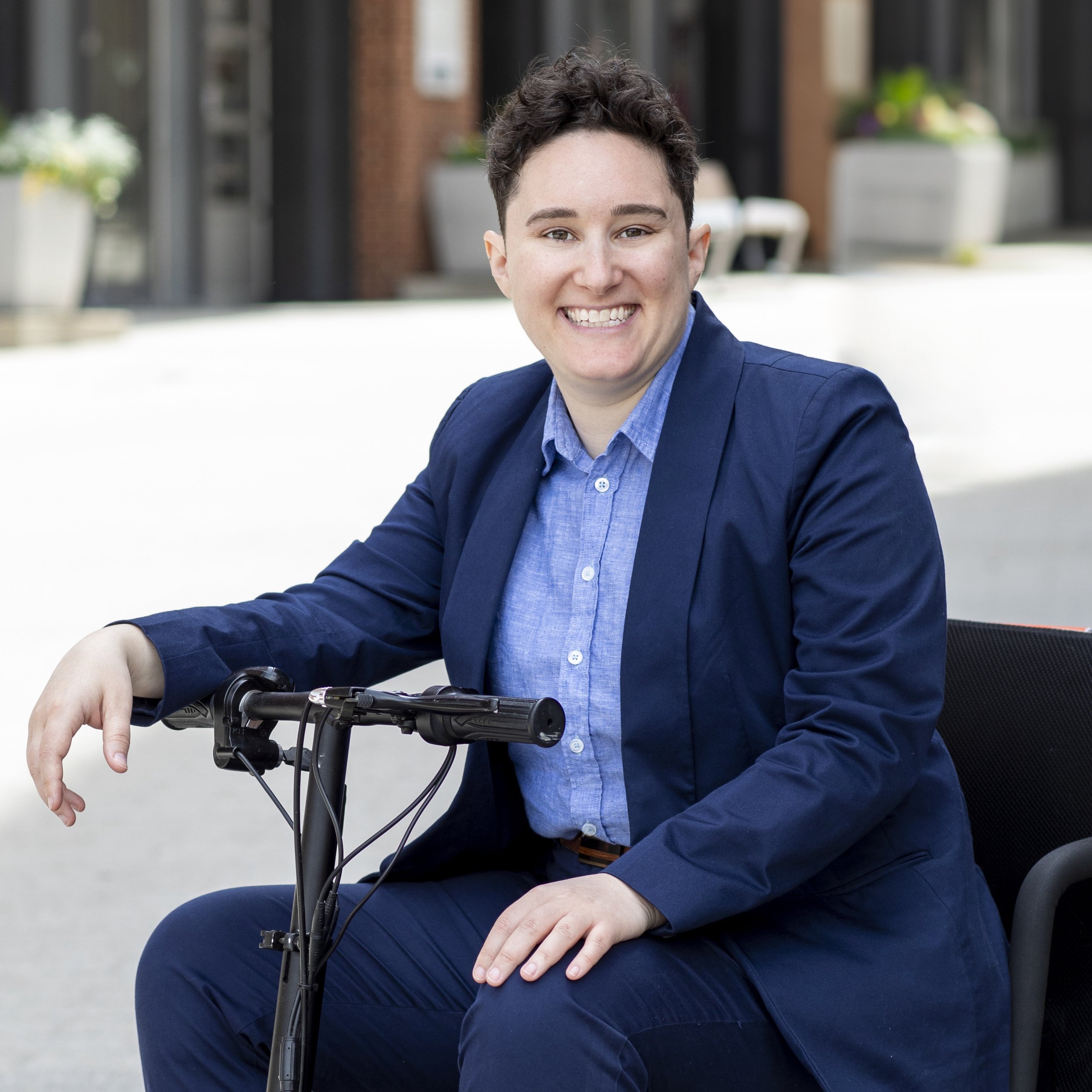
I’m also the most disabled I have ever been, transitioning to life on wheels in 2022 after repeated COVID-19 infections and meningitis worsened a pre-existing traumatic brain injury.
I’m not alone in being a proud disabled trans person; fully 52 percent of trans adults are disabled. That’s no accident: oppression of all kinds is disabling, because the chronic stress caused by discrimination is disabling. Given this surge in transphobia, those numbers won’t decrease any time soon.
Stress from discrimination leads to shorter life spans and worse health outcomes, from impacts on the heart to cancers to the immune system. Science points to inflammation in the body from chronic stress as a potential cause. All types of discrimination aren’t equal; intergenerational trauma leads to more disabling outcomes than just one lifetime of stress, due in part to prenatal trauma, and research points to multi-marginalized folks facing compounded health impacts from overlapping oppression and the resulting stress.
Ultimately, the Trump Administration’s attacks on trans people are part of the same eugenic agenda driving his attack on disabled people, immigrants, and people of color at large. This Administration is intentionally disabling and killing entire communities of people it deems undesirable. Fighting these policies isn’t just a legislative fight. This is a fight for our joy, our love, our identity, and our right to grow old.
This was always about writing off our community as expendable, alongside so many others that we are a part of. So yes, transphobia is disabling and killing trans people. So are racism, capitalism, colonialism, imperialism, misogyny, patriarchy, xenophobia, state violence, and queerphobia.
We need a new conversation on disability that includes all of these issues, and we cannot fight back against transphobia and other forms of oppression without centering community, joy, and liberation.
They are literally disabling and killing us with the stress of oppression, and we must fight back by loving one another enough to combat it.
I take heart in the work of groups like the Gender Liberation Movement, who last week organized nearly 50 people to get arrested in front of Trump’s Department of Health and Human Services building in Washington, D.C. — the very department working to limit youth access to gender-affirming care. Together, the protestors called for the Trump Administration to keep their “Hands off our ’Mones.”
We never needed permission to exist, but we need each other now more than ever. We have a duty to organize, love trans disabled people out loud, and center joy in our resistance.